TENTORIUM® COMPANY HISTORY
Tentorium has been in operation since 1988. What began as a small beekeeping cooperative has evolved into one of the world’s leading producers of apitherapy-based wellness products. Today, the brand is represented in more than 40 countries, including the UAE and the wider MENA region. At the heart of Tentorium’s philosophy lies the power of nature, scientific innovation, and respect for tradition.
1988
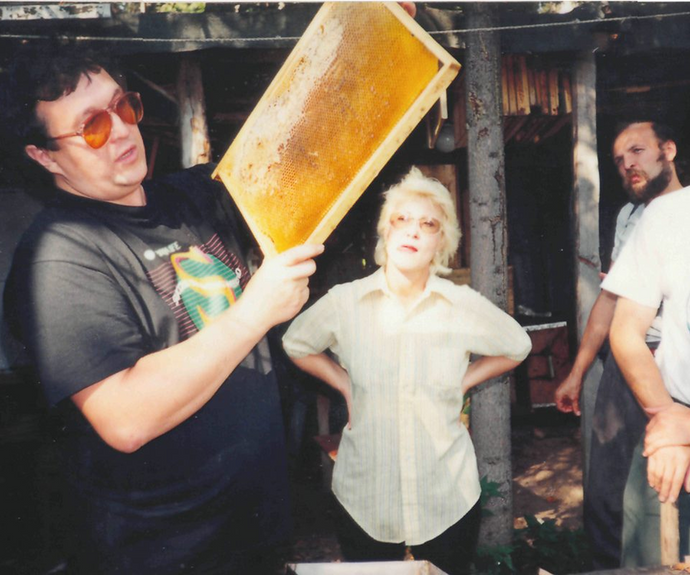
The company was founded in Perm, Russia. Rail Khismatullin established the first local beekeeping cooperative “Beekeeper-Practitioner,” launching the production of honey- and propolis-based products. Tentorium also began collaborating with medical institutions and research laboratories.
1989–1990
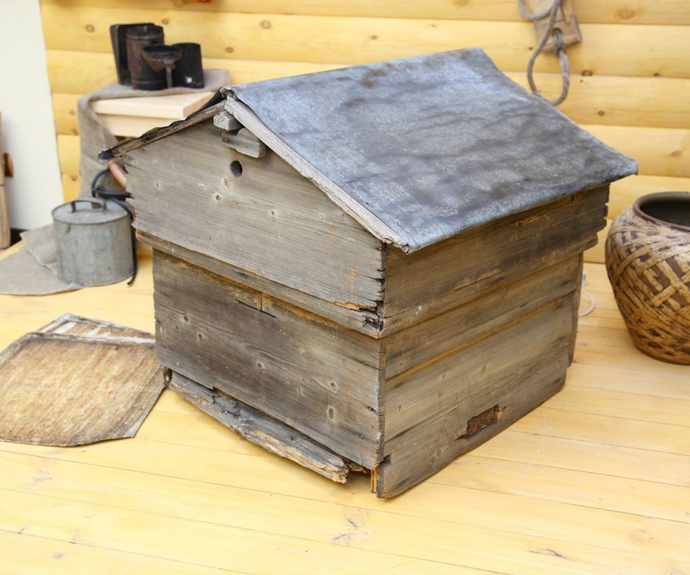
Initial scientific studies were launched in partnership with the Central Scientific Research Laboratory. Products were tested and refined under the supervision of scientists and physicians. The first batch of Tentorium bee products was released to market.
1991–1995
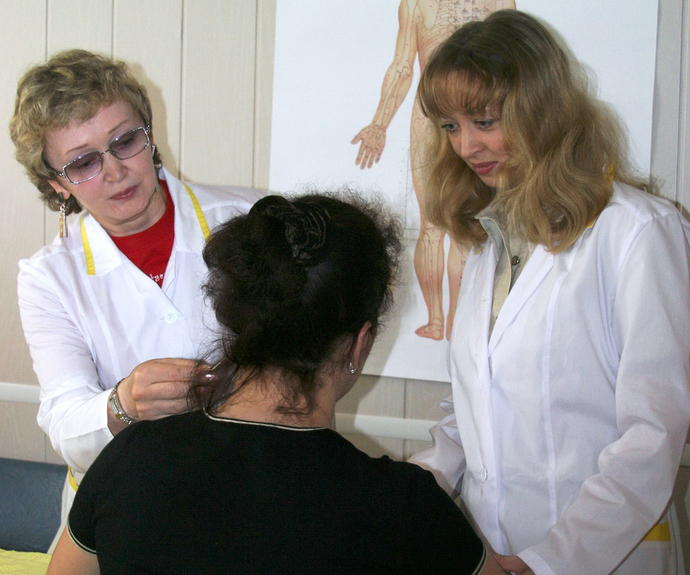
Apitherapy clinics opened and doctors were trained in bee-based wellness. The company developed its first marketing model and created Russia’s initial distributor network. Signature products such as Apis dragees, Apizin, and propolis tinctures were introduced.

1996–2000
Tentorium became officially registered as a limited liability company (LLC). An Environmental Monitoring Laboratory was established. International quality standards were implemented, and new functional products were launched, including Khlebina, Yunis-Api, and Sorbus. The company began exporting to nearby countries.
2001–2005
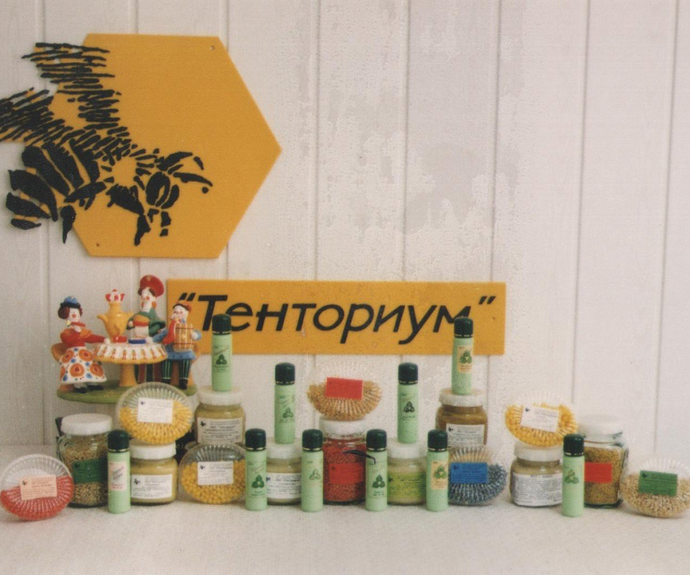
Tentorium rapidly expanded its product portfolio, adding creams, children’s lines, and wellness pastes. Field schools, conferences, and training programs were organized to support distributors. The brand entered new markets across the CIS and Eastern Europe.
2006–2010
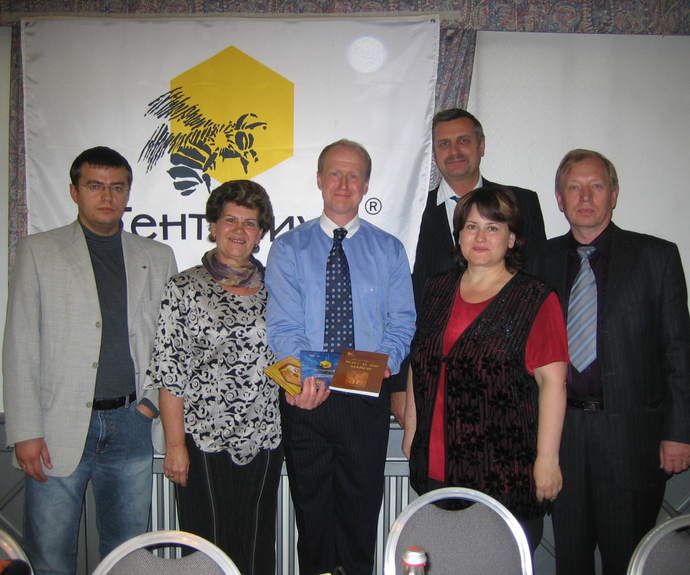
Tentorium opened its first international branches in Germany and Mongolia. A wax production facility and a wellness resort based on mineral waters were established. The company began forming long-term partnerships with global distributors and launched eco-initiatives.

2011–2015
Tentorium became a multi-award winner in Russia’s “100 Best Products” competition. New cosmetic lines and products based on royal jelly and propolis were released. The company began cooperating with international apitherapy associations.
2016–2020
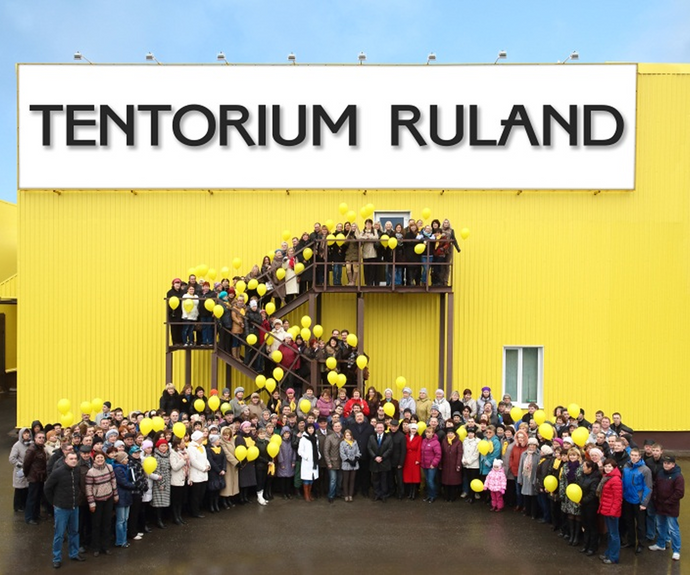
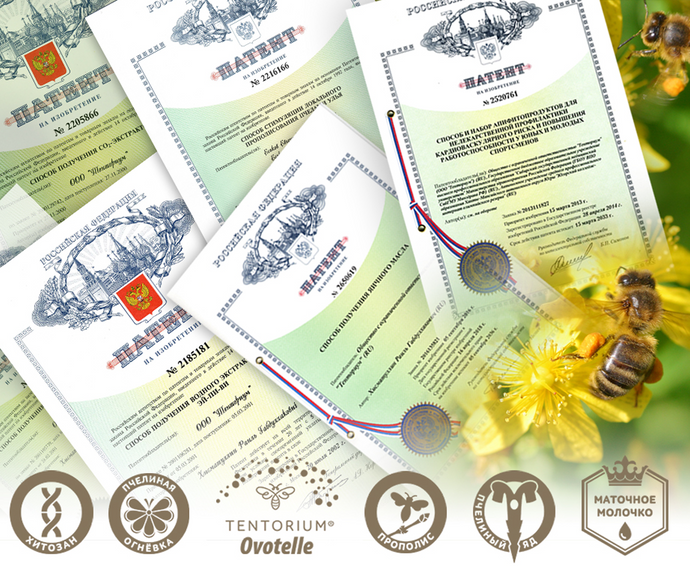
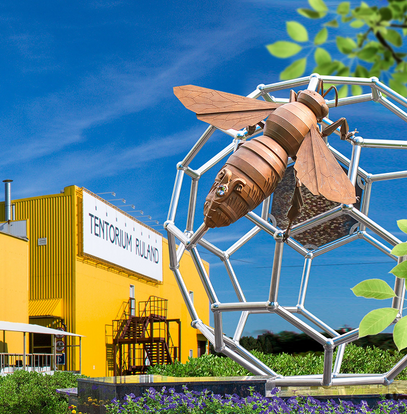
The Tentorium Ruland manufacturing plant opened — a state-of-the-art, full-cycle facility built with German engineering. The company introduced new innovations: apigranules, APV products, natural syrups, and wax formulas. During the COVID-19 pandemic, Tentorium produced a medical-grade hand sanitizer, “APISEPTIC.”
2021–2025
Tentorium entered the UAE and MENA markets. The official Tentorium.ae online store was launched, and the product range was adapted to meet halal standards. Special lines were created for women, children, and athletes. Today, Tentorium is a trusted and recognizable brand for organic and functional wellness in the Middle East.
MORE ABOUT US

SCIENTIFICALLY PROVEN
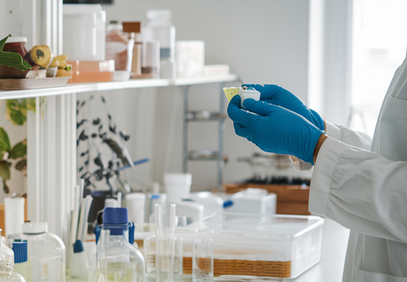
Tentorium: Scientifically Proven Effectiveness of Bee-Based Products
DISCOVER PRODUCT
WHAT YOU WANT


BLOG

Chilidonia Cream: Natural Relief for Dry, Sensitive & Eczema-Prone Skin in the UAE
Why Your Skin Struggles in the UAE Climate Living in the UAE means dealing with a unique combination of environmental challenges: Extreme heat and sun exposure — outdoor temperatures regularly...

Beauty from Within: How Bee Products Transform Your Skin and Hair
You've heard the saying: "Beauty starts from within." But what does that actually mean? It's not just about drinking more water or getting enough sleep. It's about feeding your body...

How to Choose Real Honey in the UAE: A Buyer's Checklist
Walking into a supermarket in Dubai or a market in Abu Dhabi, you'll find dozens of jars of honey. But which one is actually real? The UAE loves honey, but...

Tentorium: A Wellness Brand Backed by Media and Science
In a market flooded with wellness claims, one thing matters most: trust. Consumers in the UAE and across the GCC want more than marketing slogans — they want proof, transparency,...


